
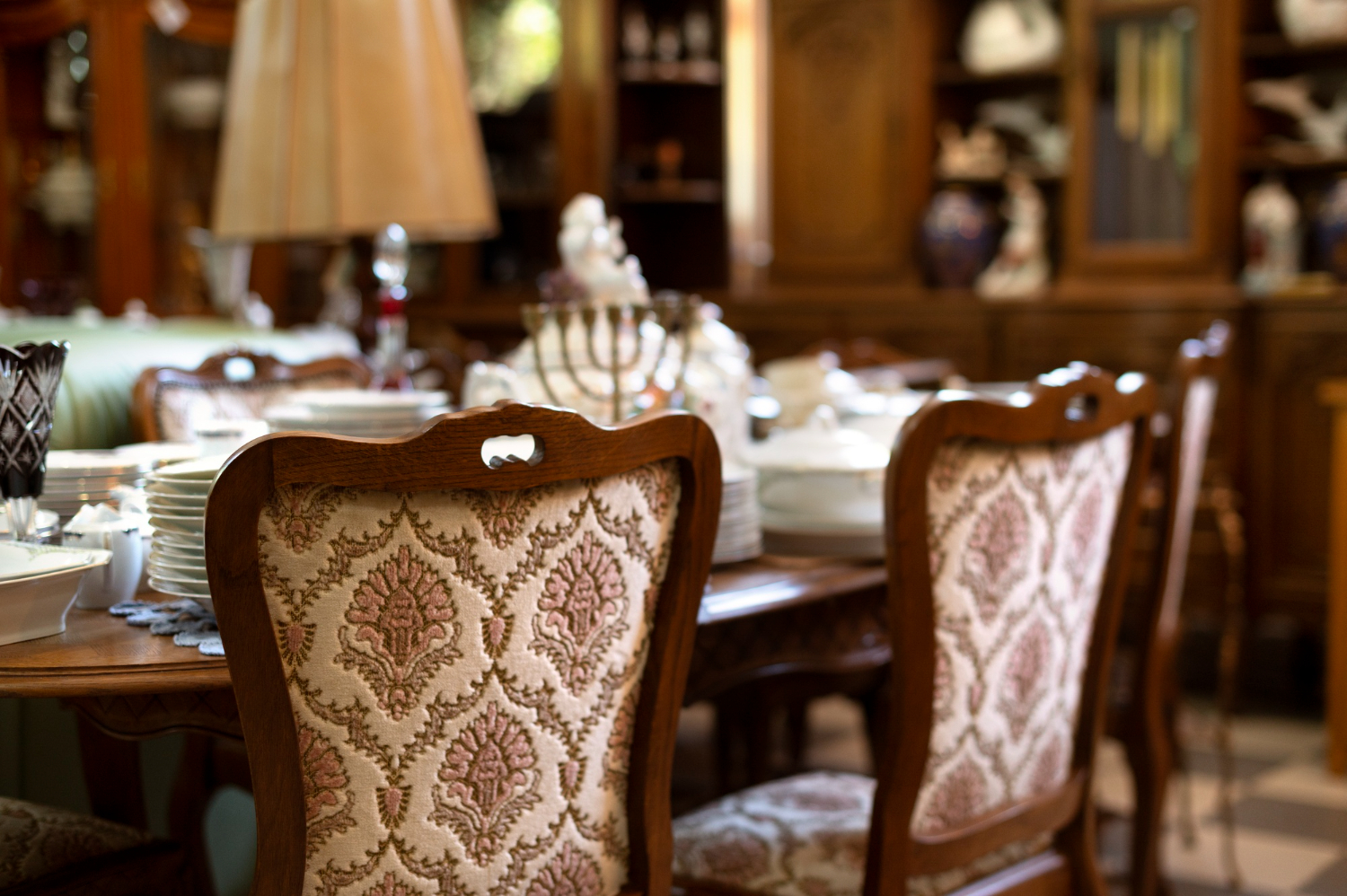
At some point, almost everyone furnishing a home on a budget ends up at the same crossroads: should you buy that solid-looking vintage piece… or just go modern and new?
There isn’t a universal winner here. But there is a pattern—certain vintage pieces are genuinely better than anything you’ll find cheaply today, while some modern furniture is absolutely the smarter, safer buy.
Here’s how to tell the difference without overthinking it.
When Vintage Furniture Is Actually Worth It
1. Solid Wood Everything
Older furniture—especially mid-century and earlier—was often built with real hardwood and traditional joinery. That means it can be sanded, repaired, and refinished multiple times.
A slightly scratched vintage dresser might last longer than a brand-new one made from particleboard that starts sagging in a year.
If it’s heavy, stable, and structurally sound, vintage wood furniture is usually a strong yes.
2. Mid-Century Design Pieces
Mid-century furniture has stayed popular for a reason: clean lines, durable materials, and practical design.
Pieces from this era often strike a balance between style and build quality. Even if they’re worn, they tend to be easy to restore or integrate into modern spaces without looking out of place.
3. Upholstered Frames (When the Bones Are Good)
A worn vintage chair or sofa can still be worth it if the frame is solid.
Upholstery can always be replaced. What you can’t easily fix is a weak frame. If the structure is strong, you can essentially get a custom piece for less than retail.
4. Statement Pieces You Can’t Easily Replace
Some vintage items have craftsmanship or detailing you just don’t see in budget modern furniture—carved wood, unique shapes, or distinctive hardware.
These pieces work well as focal points in a room, even if everything else is simple.
When Modern Furniture Makes More Sense
1. Anything Flat-Pack or Structural-Limited
Modern budget furniture isn’t necessarily bad—it’s just built differently. Flat-pack pieces are designed for convenience and cost efficiency, not long-term restoration.
For items like shelving units, desks, or lightweight tables, buying new can sometimes be more practical than gambling on worn secondhand versions.
2. Storage and Built-In Systems
Closets, modular storage units, and expandable systems are usually better bought new.
They rely on precise fittings and standardized parts. Used versions may be missing hardware or no longer align properly if systems have changed over time.
3. Everyday High-Wear Basics
Items like basic office chairs, mattresses, or heavily used sofas often make more sense when bought new (or at least professionally refurbished).
Comfort, hygiene, and support matter more here than aesthetics or history.
4. Tech-Integrated Furniture
Modern furniture with built-in charging ports, lighting, or adjustable mechanisms is rarely worth buying used. Technology ages quickly, and replacement parts aren’t always available.
The Real Tradeoff: Cost vs Longevity vs Effort
Vintage furniture usually wins on:
- Build quality
- Materials
- Longevity (if maintained)
Modern furniture usually wins on:
- Convenience
- Predictability
- Compatibility with current spaces and systems
The hidden factor is effort. Vintage often requires cleaning, refinishing, or minor repairs. Modern usually just gets assembled and used.
A Simple Decision Rule
If you can fix it, restore it, or upgrade it easily → vintage is worth considering.
If it needs precision, safety, or zero maintenance → go modern.
That one rule eliminates most of the guesswork.
Vintage and modern furniture aren’t really in competition—they solve different problems.
Vintage shines when you want durability, character, and uniqueness. Modern works best when you need simplicity, consistency, and convenience.
The smartest homes usually mix both: solid vintage pieces for character, and modern essentials for everyday function. That balance is where things start to feel both practical and personal.