
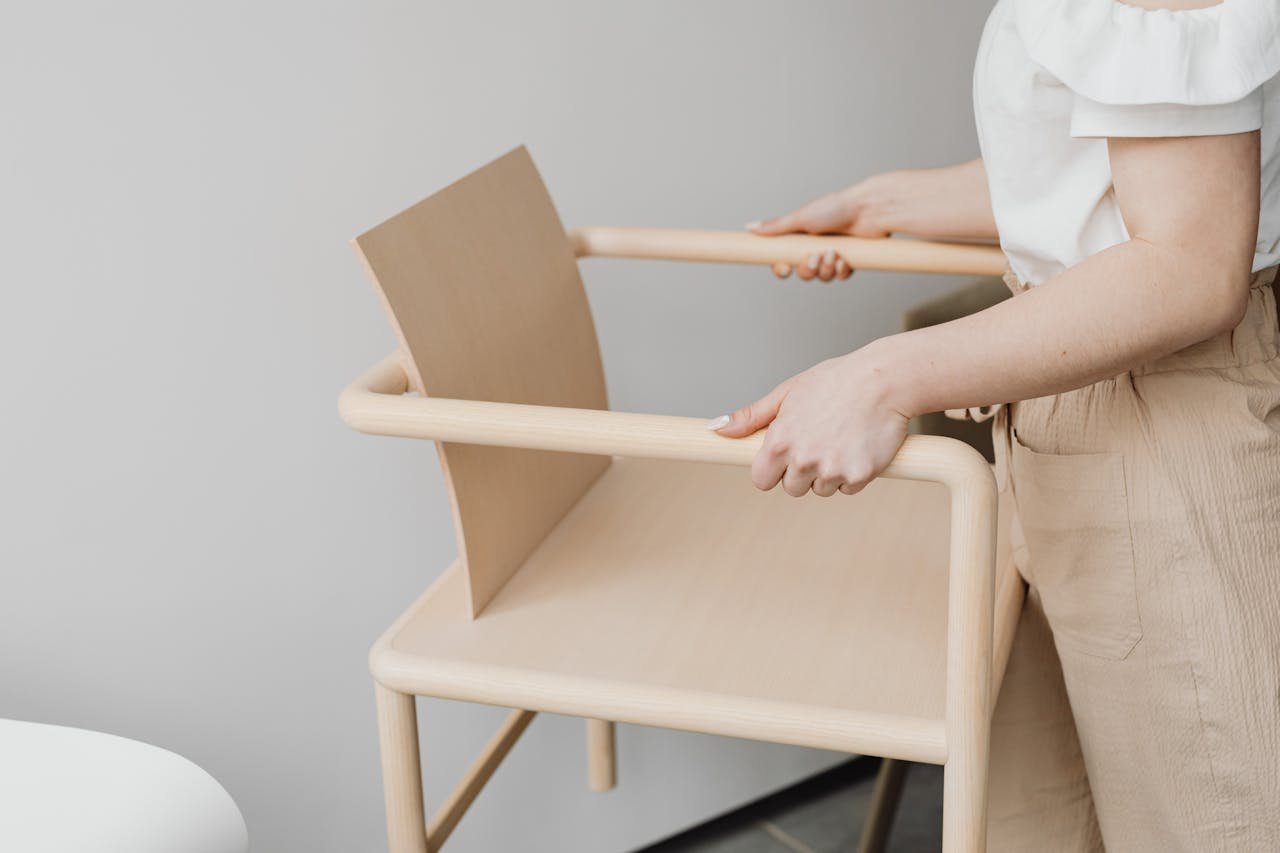
Stackable furniture sounds simple on the surface—just things you can pile up when you’re not using them—but in flexible living spaces, it quietly does a lot of heavy lifting. When every square foot matters, the ability to “disappear” furniture on demand can change how a room feels without changing the room itself.
Here’s how stackable furniture actually works in real homes, and how to use it without making your space feel temporary or improvised.
Why Stackable Furniture Works So Well in Small Spaces
The biggest advantage is obvious: it saves floor space when not in use. Stackable chairs, stools, and bins can be tucked away in seconds, freeing up room for movement, guests, or other activities.
But the deeper benefit is flexibility. Instead of committing a room to one purpose, stackable pieces let it shift throughout the day. A dining area can become an open workspace, then return to a seating zone when needed. ()
That kind of adaptability is what makes small homes feel livable instead of cramped.
Stackable Seating: The Quiet Problem Solver
Chairs are one of the most space-consuming items in any home, especially when you only use extra seating occasionally.
Stackable chairs solve this by giving you full seating capacity when you need it, and almost nothing to store when you don’t. Lightweight designs are especially useful because they’re easy to move between rooms, patios, or storage areas. ()
A good setup might look like:
- Everyday seating: 2–4 main chairs
- Backup seating: stackable set stored in a corner or closet
The goal isn’t to eliminate seating—it’s to make it conditional.
Stackable Tables and Nesting Surfaces
Tables take up more visual space than almost anything else in a room, which is why stackable or nesting tables are so effective.
Nesting tables slide into each other when not in use, then separate when you need extra surface area for guests or projects. ()
This works especially well in living rooms where you don’t always need multiple surfaces but still want them available when life gets busy.
Stackable Storage That Doesn’t Look Like Storage
Stackable bins, crates, and modular boxes are where function starts blending into design.
Instead of bulky cabinets, you can build vertical storage that grows upward instead of outward. This is especially useful in closets, laundry areas, and entryways where floor space is limited.
The key is choosing uniform shapes so stacks feel intentional rather than messy.
Where Stackable Furniture Really Makes a Difference
Stackable pieces are most useful in spaces that change roles often:
- Living rooms that double as guest areas
- Small dining spaces that also serve as workstations
- Studios where storage and seating compete for space
- Balconies or patios with seasonal use
In these environments, the ability to quickly clear space is more valuable than having permanent furniture layouts.
The Tradeoff Most People Don’t Think About
Stackable furniture is efficient, but it doesn’t always feel “anchored.” If overused, a room can start to feel like it’s always in transition.
The solution is balance:
- Use stackable pieces for flexibility
- Pair them with a few stable anchor items (like a main sofa or dining table)
- Avoid making everything collapsible or temporary
That mix keeps a space functional without losing comfort.
How to Choose Stackable Furniture That Actually Works
Not all stackable designs are equal. A few things matter more than people expect:
- Stability when in use (no wobbling when unstacked)
- Easy stacking without heavy lifting
- Durability of edges and joints (since they’ll be moved often)
- Clean stacking shape so storage doesn’t become chaotic
If stacking feels like a chore, the furniture won’t stay practical for long.
Stackable furniture isn’t about living in a constantly folded-up space.
It’s about giving your home flexibility without increasing its footprint.
When used well, it lets a small room behave like a larger one—open when you need movement, furnished when you need function, and uncluttered when you need calm.
The best setups don’t look like they’re constantly rearranged. They just quietly adapt in the background.