
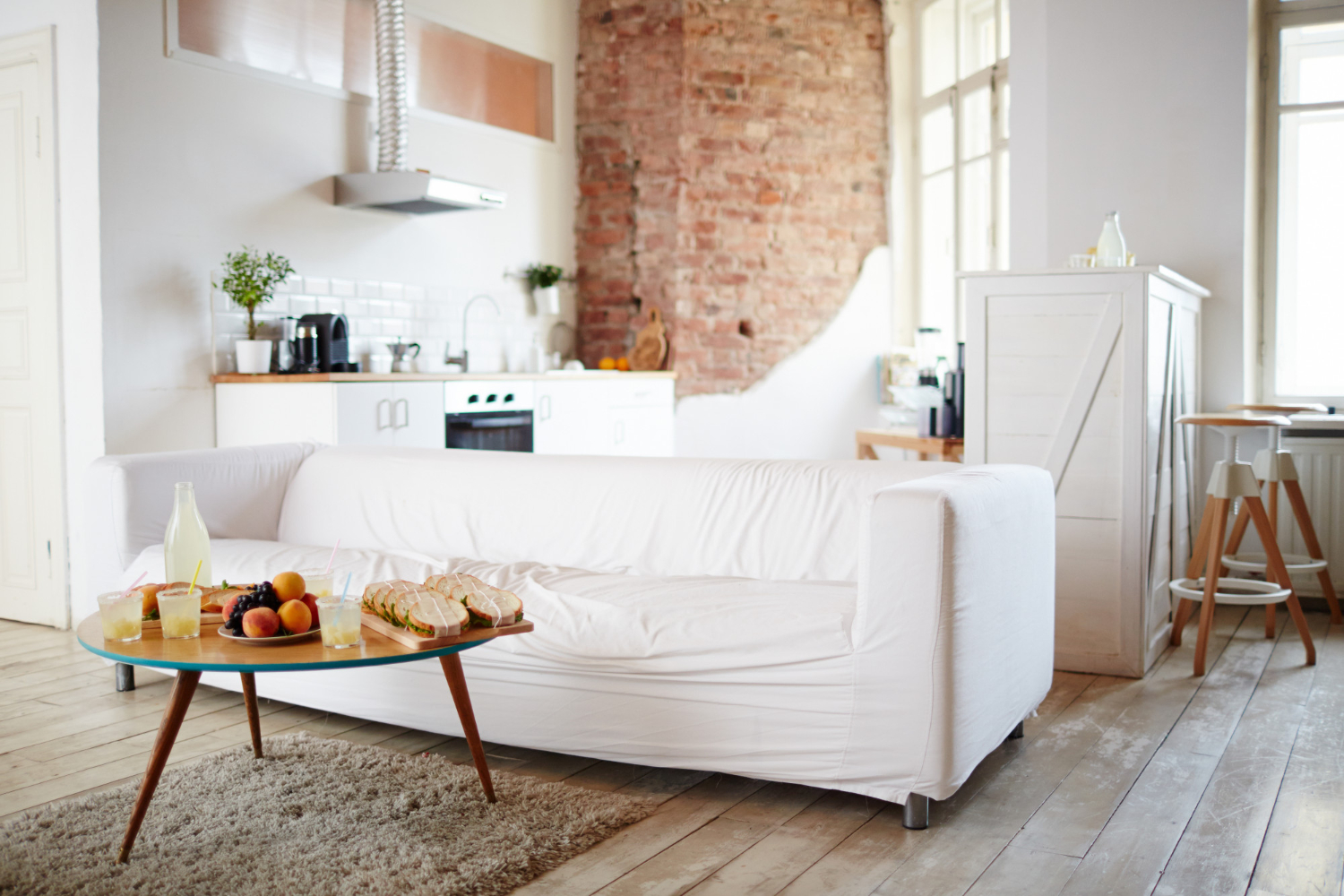
Most furniture is designed for a snapshot of your life. One sofa for one layout, one table for one dining setup, one bed that always takes up the same amount of space. The problem is, life doesn’t stay still long enough for that to make sense.
Jobs change. Rooms change purpose. People move. Kids grow. Guests show up. Suddenly that “perfect setup” stops being perfect.
Furniture that adapts as your needs change is really about avoiding that cycle of replace, regret, repeat.
Modular Furniture: Built for Rearranging, Not Replacing
Modular furniture is one of the most practical ways to future-proof a space. Instead of buying a fixed layout, you get individual pieces that can be recombined.
A modular sofa is the clearest example—you can start small, then add sections later, or rearrange it when you move. Shelving systems work the same way: add height, extend width, or reconfigure as storage needs shift.
The advantage isn’t just flexibility. It’s that you’re never locked into one configuration.
Transforming Furniture: One Piece, Multiple Jobs
Some furniture is designed to physically change its function.
A sofa that becomes a bed. A coffee table that lifts into a desk. A dining table that expands when you have guests. These pieces matter most in small homes where rooms have to do more than one job.
The appeal is simple: fewer items doing more work. Instead of owning separate furniture for every function, you compress it into a few adaptable pieces.
Expandable and Adjustable Pieces
Not all adaptive furniture transforms completely—some just scale with your needs.
Expandable dining tables are a good example. They stay compact day-to-day but extend when you need more seating. Adjustable shelving and desks work the same way, shifting height or layout depending on use.
This type of furniture is especially useful when your space stays the same but your lifestyle doesn’t.
Storage That Grows With You
One of the most overlooked forms of adaptive furniture is storage that can evolve over time.
Closet systems with adjustable rods and shelves, stackable storage units, and configurable cabinets all let you change the layout as your belongings change. You don’t need a new system—you just rearrange what you already have.
This matters more than people expect. Storage needs rarely stay constant.
Multi-Use Furniture: The Quiet Workhorse
Some of the most useful adaptive pieces don’t look special at all.
Storage ottomans, lift-top tables, beds with built-in drawers—these quietly replace multiple pieces of furniture without taking up extra space. They’re especially effective in small homes where every object needs to justify its footprint.
The key benefit here is reduction: fewer items, fewer decisions, less clutter.
Why Adaptable Furniture Actually Matters
The biggest advantage isn’t convenience—it’s longevity.
Instead of replacing furniture every time your life shifts, you adjust what you already own. That makes your home more resilient to change, whether it’s a move, a new job, or just a different way of living.
It also reduces waste and prevents the slow accumulation of furniture that no longer fits your life.
What to Look For Before Buying
Not every “flexible” piece is actually useful long-term.
Good adaptive furniture should:
- Be easy to change without tools or frustration
- Hold up structurally across different configurations
- Work in more than one layout or room
- Avoid overly complex mechanisms that you won’t use
If it feels like a hassle to transform, it probably won’t get used that way.
Furniture that adapts isn’t about having clever tricks built in—it’s about giving yourself options.
The best pieces are the ones that quietly shift with your life instead of locking you into a single setup. When your furniture can change as easily as your needs do, your home stops feeling fixed—and starts feeling usable in a more lasting way.