
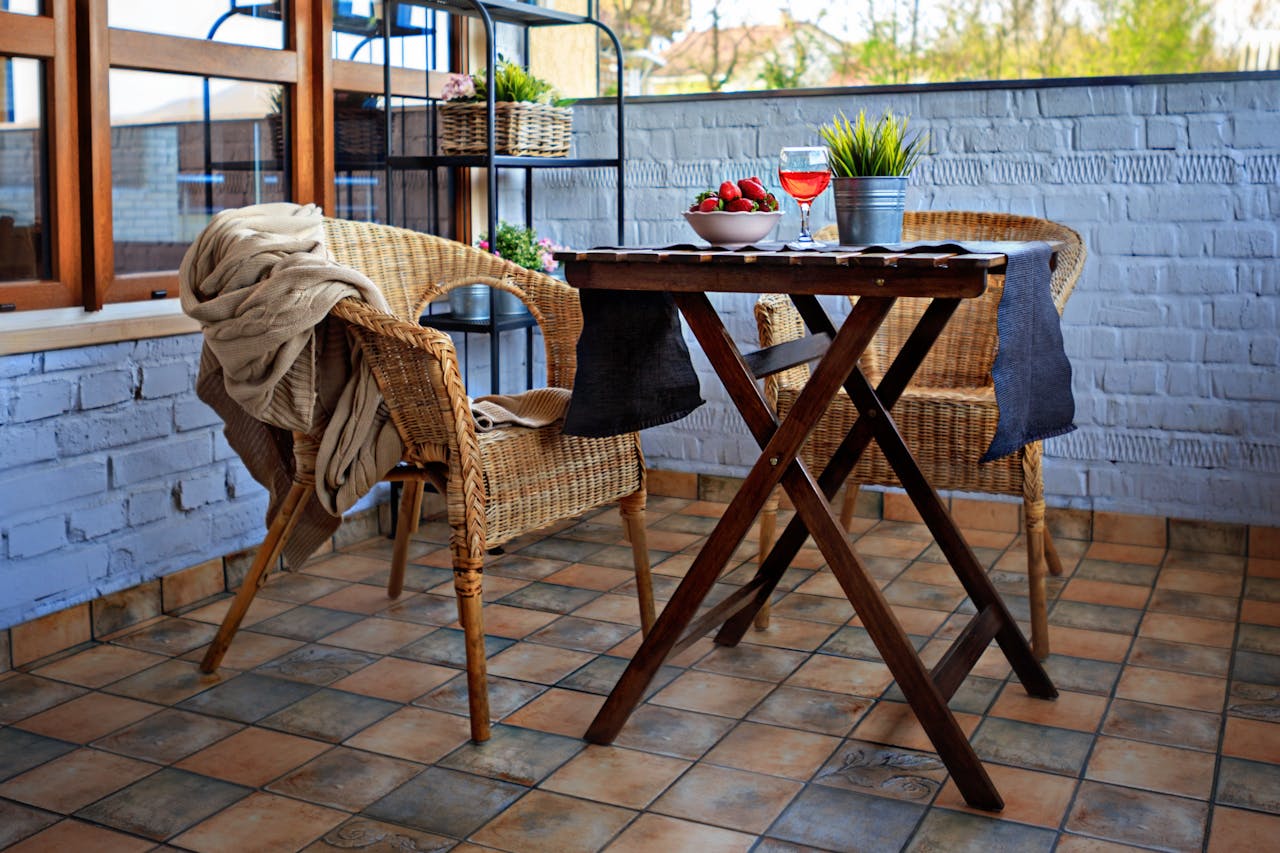
There’s a big difference between foldable and flimsy. Most people have sat in that one chair—the kind that creaks when you shift your weight and makes you question your life choices. The truth is, good foldable furniture exists. You just have to know what separates the solid pieces from the ones that barely survive a weekend.
Here’s how to find foldable furniture that actually feels like real furniture—without relying on trial and error.
What Makes Foldable Furniture Feel Sturdy?
The biggest factor is the frame. Steel tends to be the most stable option, especially when it includes cross-bracing for extra support. Aluminum can work too, but only if it’s thick and well-constructed—thin, lightweight frames are where things start to feel shaky.
A well-built folding piece should also have:
- A clearly stated weight capacity
- Locking mechanisms so it doesn’t collapse unexpectedly
- Non-slip feet to keep it steady on different surfaces
If it skips those basics, it’s probably going to feel unstable no matter how good it looks.
Folding Chairs That Don’t Feel Temporary
A solid folding chair should feel like something you could actually sit in for an hour—not just pull out when you run out of seating.
Look for chairs with reinforced joints and double-braced legs. Padding helps, but structure matters more—some padded chairs still feel flimsy if the frame underneath isn’t strong.
Also pay attention to the seat material. Molded plastic can feel surprisingly sturdy when it’s thick and well-supported, while fabric seats need tight tension and a strong frame to avoid sagging over time.
Folding Tables That Can Handle Real Life
Tables are where “flimsy” shows up fast—especially if they wobble every time you touch them.
A good folding table should feel stable enough to lean on without shifting. Wide-set legs and locking hinges make a big difference here. Resin or high-density plastic tops tend to hold up well for everyday use, especially when paired with a solid metal frame underneath.
If the table folds in half, check that the center seam locks securely—this is a common weak point in cheaper designs.
Foldable Furniture That Doesn’t Look Cheap
Not all foldable furniture has that “temporary setup” look anymore.
There are folding chairs designed to mimic traditional outdoor styles, compact tables that double as storage, and minimalist pieces that blend into modern interiors. The key is choosing neutral colors and clean lines—busy designs and thin materials tend to look (and feel) less substantial.
Good foldable furniture should disappear into your space when it’s set up—not stand out as the obvious “folding option.”
What to Avoid (This Is Where Flimsy Lives)
If you want to skip disappointment:
- Ultra-light plastic frames with no reinforcement
- Pieces with no listed weight capacity
- Weak hinges or thin metal tubing
- Designs that rely on a single locking point
If it feels unstable when you first use it, it’s not going to improve over time.
The Real Test
Here’s a simple way to tell if something’s worth keeping: use it like you normally would.
Sit in the chair for more than a few minutes. Lean on the table. Move it around. If you’re constantly aware of it—adjusting, checking, being careful—it’s probably not as sturdy as it should be.
Good foldable furniture fades into the background. It works the way you expect it to, without making you think twice.
Foldable furniture doesn’t have to feel like a backup plan.
When it’s well-made, it gives you flexibility without sacrificing comfort or stability. Focus on materials, structure, and those small but important details—and you’ll end up with pieces that fold away when you need space, but feel completely solid when you don’t.