
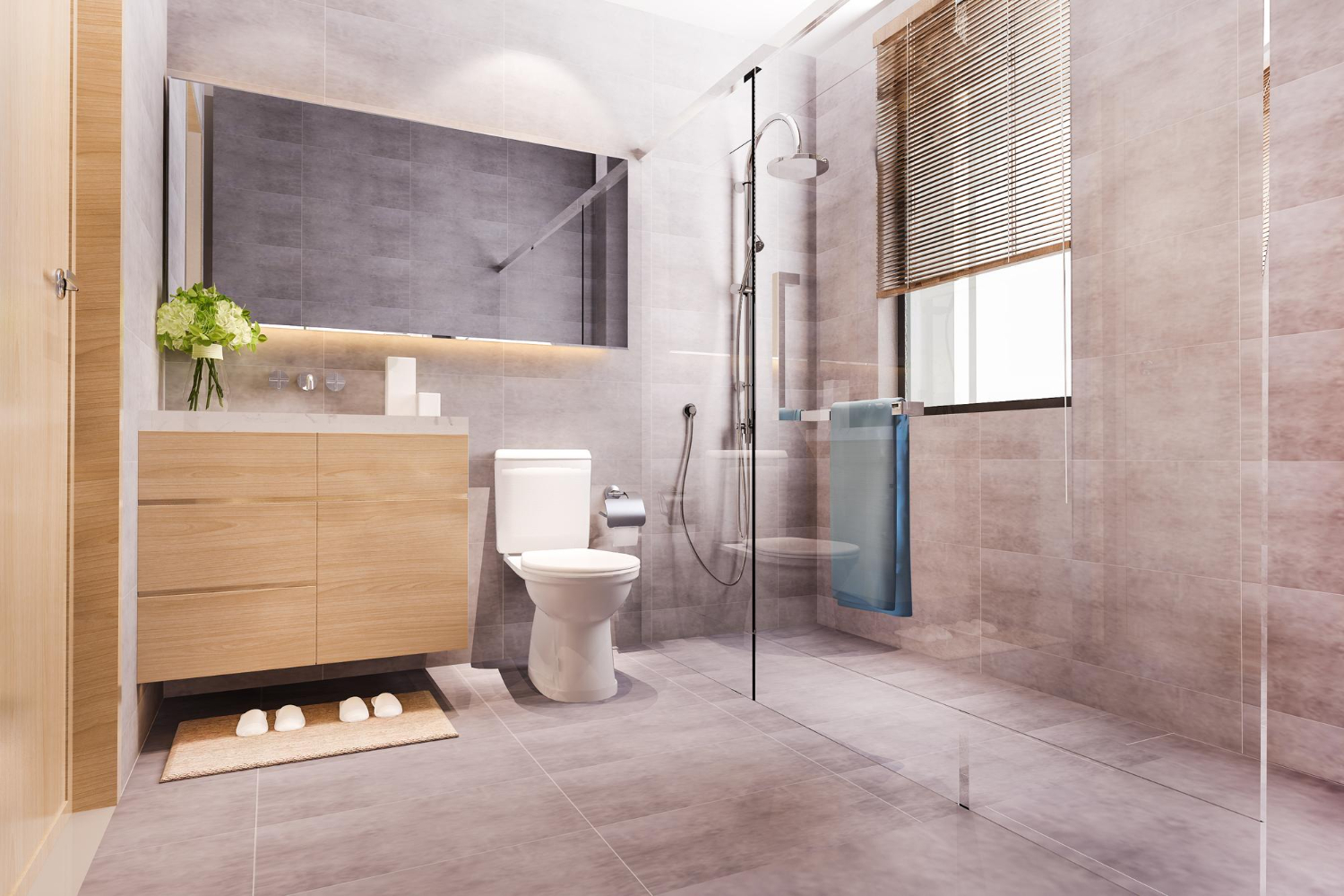
A bathroom is one of the smallest spaces in a home, but it quietly eats up money if you buy the wrong things. Cheap towels that fall apart, storage that warps in humidity, or accessories that rust within months all lead to repeat spending.
The goal isn’t to buy more—it’s to buy once, then not think about it again for a long time.
Start With the Essentials That Actually Matter
A functional bathroom only needs a handful of core items.
1. Towels (this is where quality matters most)
Cheap towels lose softness, absorbency, and structure quickly.
What to look for:
- Medium to heavy weight cotton
- Reinforced edges (prevents fraying)
- Enough absorbency for daily use
You don’t need luxury hotel-level towels, but the cheapest options often wear out fast and end up costing more over time.
2. Shower curtain + liner
This is a high-wear, high-moisture item.
Best choice:
- A washable fabric curtain
- Or a durable vinyl liner with mildew resistance
Avoid ultra-thin plastic curtains—they tear and discolor quickly.
3. Bath mat
A good bath mat prevents:
- Slipping
- Water damage to floors
- Constant replacement from mold buildup
Look for:
- Quick-dry materials
- Machine-washable options
- Non-slip backing
Storage That Doesn’t Fall Apart in Humidity
Bathrooms destroy low-quality storage quickly due to moisture.
Better long-term options:
- Metal shelving (powder-coated if possible)
- Plastic bins with lids
- Moisture-resistant wood composites
Avoid untreated wood or cardboard-based organizers—they warp fast in humid environments.
Daily Use Items That Should Be Durable
These are small purchases that get used constantly, so durability matters.
1. Toilet brush and holder
Look for enclosed designs to reduce odor and wear.
2. Soap dispensers
Refillable glass or sturdy plastic lasts longer than cheap pump bottles that break easily.
3. Toothbrush holder
Simple, weighted designs hold up better and tip less easily.
Items Worth Spending Slightly More On
Some bathroom essentials are worth a modest upgrade because they reduce replacements.
Shower curtain rod
- Tension rods are fine for rentals
- Metal rods last longer than plastic
- Rust-resistant coating is key
Hooks and towel bars
Cheap adhesive hooks often fail in humid environments. Screwed-in options last significantly longer.
What People Overspend On (But Don’t Need)
Bathrooms are full of unnecessary upgrades early on.
- Matching accessory sets (they wear unevenly anyway)
- Decorative storage that doesn’t handle moisture well
- Overly fancy soap dispensers or organizers
- Excess towels beyond what you actually use
Function matters more than aesthetic matching in a humid space.
How to Make Essentials Last Longer
Even good items fail if they’re not maintained properly.
Simple habits that extend lifespan:
- Hang towels fully spread out (reduces mildew)
- Clean shower liners regularly
- Keep surfaces dry when possible
- Don’t overload wall-mounted storage
Small habits reduce replacement frequency significantly.
Budget-Friendly Setup Strategy
Instead of buying everything at once:
Phase 1 (Day one essentials):
- 2–4 towels
- Shower curtain + liner
- Bath mat
- Basic toiletries storage
Phase 2 (after settling in):
- Better storage solutions
- Upgraded towels if needed
- Durable hooks or shelving
This avoids overbuying before you understand your actual space and usage.
The Minimal Bathroom Setup That Actually Works
If you want the simplest functional setup:
- A few quality towels
- Shower curtain + liner
- Bath mat
- Basic storage bin or shelf
- Simple soap and toothbrush holders
That’s enough for daily use without clutter or unnecessary expense.
Bathroom essentials last longer—and save more money—when you focus on durability over decoration.
- Invest in towels and moisture-resistant items
- Avoid cheap plastic accessories that break quickly
- Keep storage simple and functional
A well-chosen basic setup will outperform a fully matched but low-quality bathroom set every time, both in cost and lifespan.