
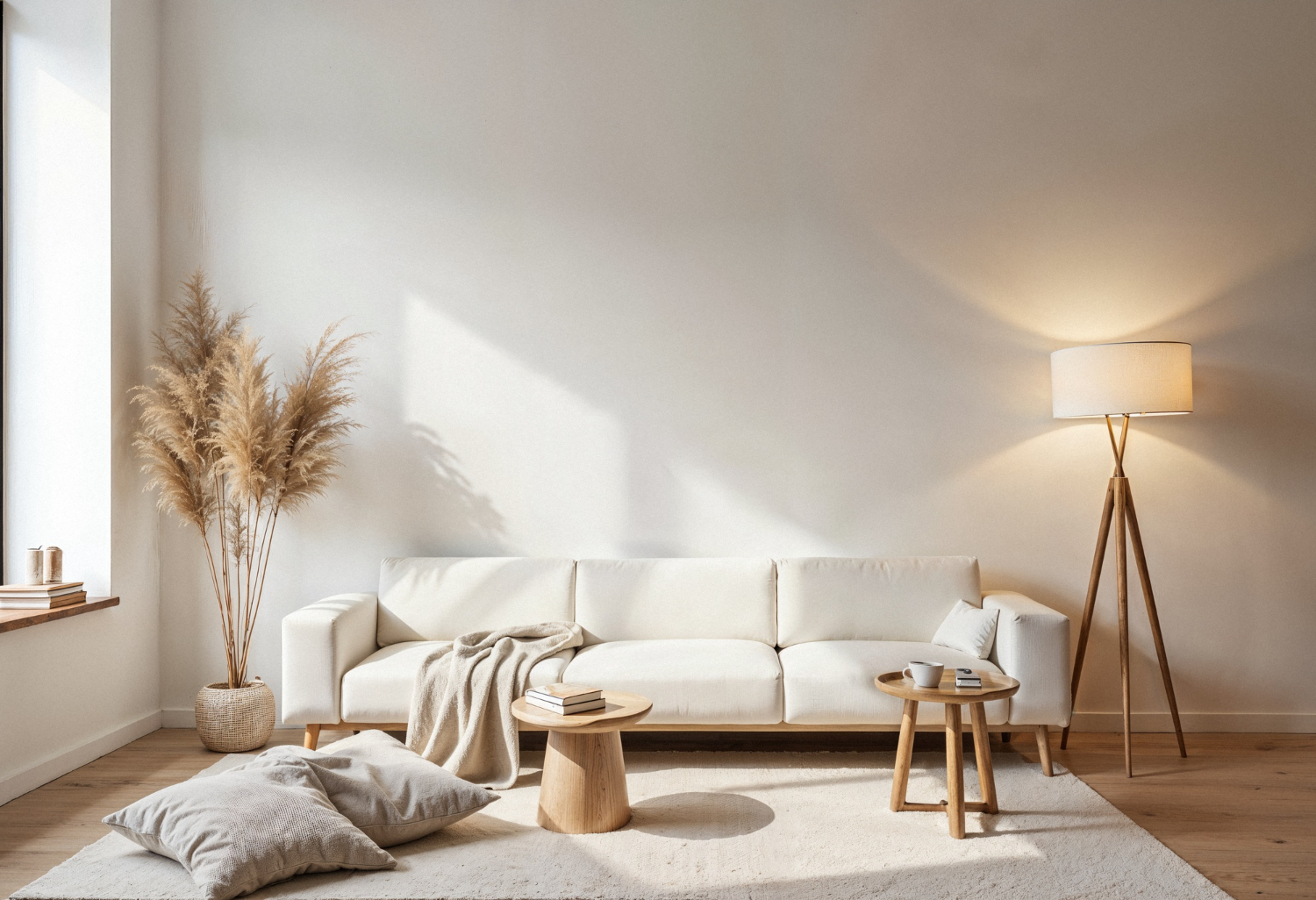
Furnishing a living room on a budget isn’t about buying less—it’s about buying the right core pieces first and skipping anything that doesn’t add real function. If you focus on seating, surface space, storage, and lighting, you can build a complete setup without overspending or cluttering the room.
Here’s how to do it in a practical, real-world way.
Start With the Core Pieces (Everything Else Is Optional)
A functional living room only needs a few essentials:
- Sofa or main seating
- Coffee table (or alternative surface)
- TV stand or media console
- Basic lighting
- One or two flexible extras (like an ottoman or side table)
You can build a complete setup for a few hundred dollars if you prioritize correctly.
Budget Seating: The Anchor of the Room
Your sofa is the most important piece—it defines both comfort and layout.
What to look for:
- Simple fabric upholstery (cheaper than leather)
- Neutral colors (easier to style later)
- Compact size for small spaces
Even budget setups should treat the sofa as the centerpiece, not an afterthought.
Money-saving tip:
Skip sectionals unless you truly need them—standard sofas or loveseats are much cheaper and more flexible.
Coffee Tables (or Smarter Alternatives)
A coffee table becomes the most-used surface in the room—holding everything from drinks to remote controls.
Affordable picks:
- Basic wood or metal tables
- Lift-top tables (adds storage + workspace)
- Nested tables for small spaces
Example budget option:
Alternative (even cheaper):
- Use an ottoman with a tray
- Use two small side tables instead of one large table
TV Stand: Storage + Function in One
A TV stand isn’t just for your TV—it’s your main storage hub.
What to prioritize:
- At least 1–2 storage compartments
- Cable management openings
- Proper width for your TV
Budget-friendly options:
- Low-cost media console with shelves and cabinets for organizing electronics and clutter.
- Minimalist, ultra-budget TV stand that works well in small or starter living rooms.
A good rule: your TV stand should feel balanced—not oversized or too small for your space.
Smart Combo Options (Save More by Bundling)
Buying pieces together can stretch your budget further.
Example bundle:
Full starter set (higher budget but complete):
Bundles help avoid mismatched pieces and usually cost less than buying individually.
Lighting: The Most Overlooked Essential
Good lighting makes even cheap furniture look better.
Budget options:
- Floor lamp (under $50–$80)
- Table lamp on TV stand or side table
- Warm bulbs to soften the space
Lighting defines mood more than most furniture upgrades.
Small Add-Ons That Make a Big Difference
Once the basics are covered, a few low-cost additions can complete the room:
- Area rug (anchors the layout)
- Throw pillows or blanket
- One plant (real or artificial)
- Wall art or shelves
These don’t need to be expensive—but they make the space feel finished.
Layout Tips (Make Cheap Furniture Look Better)
Even budget furniture looks good when arranged correctly.
- Keep 30–36 inches of walking space where possible
- Place the coffee table about 18 inches from the sofa
- Size the coffee table to about two-thirds the sofa length
Getting scale right matters more than spending more money.
The “Under $500” Game Plan
A realistic starter budget setup might look like:
- Sofa: $150–$250
- Coffee table: $50–$140
- TV stand: $50–$120
- Lighting + decor: $50–$100
Total: $300–$500 for a complete, functional living room
A budget living room works when you focus on function first:
- Seating (comfort)
- Surface space (daily use)
- Storage (organization)
- Lighting (atmosphere)
Everything else is optional.
If you get those four right, even inexpensive furniture can feel intentional—and your living room will work like it should without costing a fortune.