
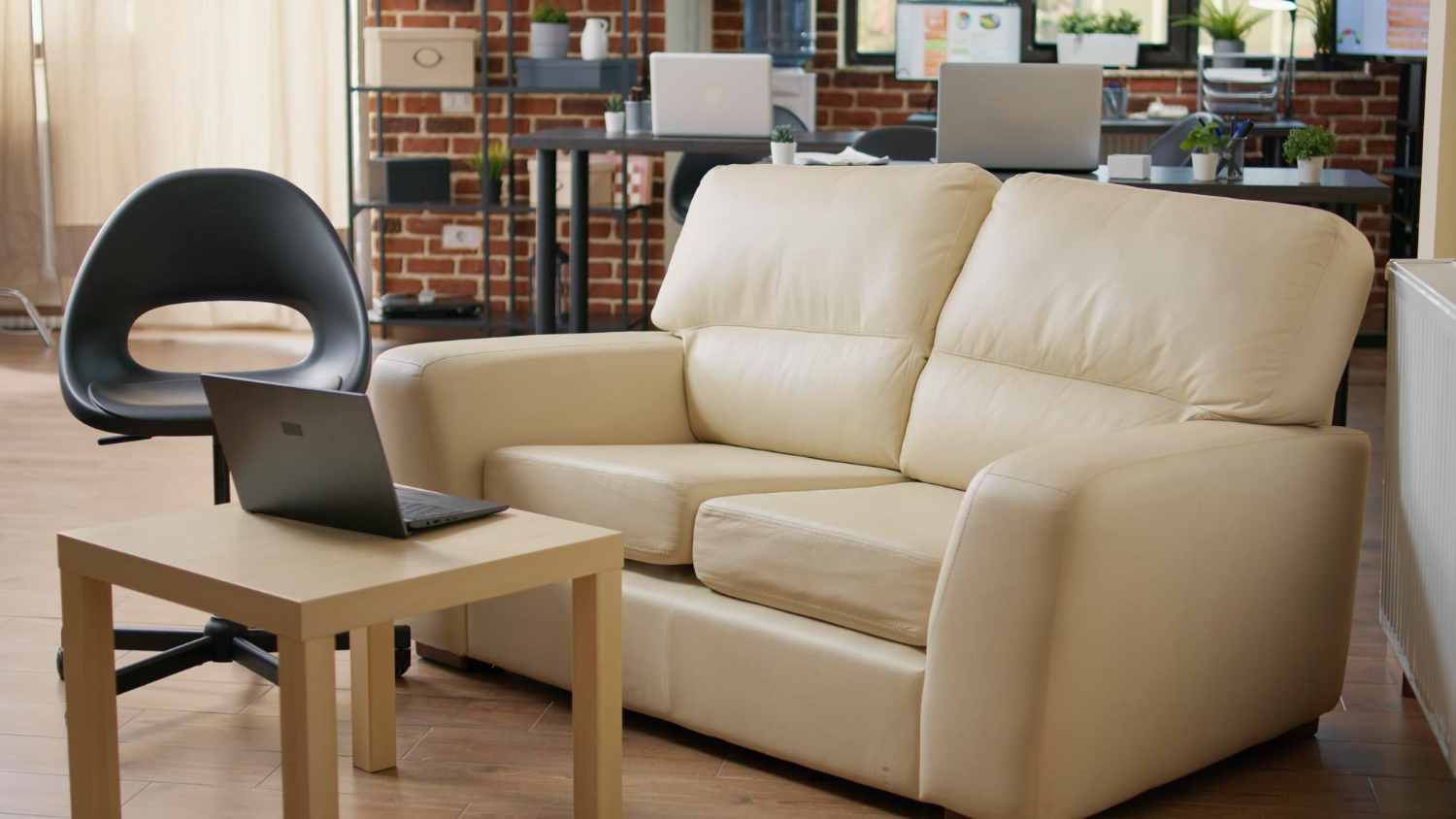
Leather and faux leather often look similar at first glance, but they behave very differently over time—especially on furniture that gets daily use. The real question isn’t which looks better in the showroom, but which one still holds up after a few years of sitting, stretching, cleaning, and wear.
The difference mostly comes down to one thing: real leather ages, faux leather breaks down.
Durability: The Biggest Divide
Real Leather
Real leather is made from animal hide, which gives it a naturally strong fiber structure. That structure allows it to handle repeated stress without falling apart.
- Can last 15–25+ years with proper care
- Resists tearing and abrasion well
- Develops a patina instead of degrading
- Can often be repaired or conditioned
Well-made leather furniture can genuinely last decades in a home setting.
Faux Leather
Faux leather is typically made from synthetic materials like polyurethane (PU) or PVC layered over fabric. It looks similar initially, but the structure is fundamentally different.
- Typical lifespan: about 2–5 years in regular use
- Prone to cracking and peeling over time
- Damage is usually irreversible once it starts
- Wears out faster in high-contact areas like armrests
Once faux leather begins to peel, it doesn’t recover—it continues to degrade.
How They Age Over Time
This is where the two materials really separate.
Real Leather: Ages, Doesn’t Collapse
Instead of breaking down, real leather changes gradually:
- Softens with use
- Develops natural sheen and character
- Minor scratches often blend in or buff out
- Can be restored with conditioning
In many cases, leather furniture actually looks better after years of use.
Faux Leather: Designed to Look Good Temporarily
Faux leather doesn’t age—it deteriorates:
- Surface layer eventually separates from backing
- Cracking starts at stress points
- Peeling spreads once it begins
- Appearance declines quickly in high-use areas
This is a structural limitation, not just a maintenance issue.
Comfort and Everyday Use
Real Leather
- Breathes better (less sticky in heat)
- Adapts slightly to body temperature
- Softens over time without losing structure
Faux Leather
- Doesn’t breathe well
- Can feel warmer or stickier in long use
- Stays rigid or plasticky in texture
Maintenance Differences
Real Leather
- Needs occasional conditioning (every few months)
- Sensitive to drying if neglected
- Can be cleaned and restored repeatedly
Faux Leather
- Easy to wipe clean initially
- No conditioning needed
- But cannot be restored once surface breaks down
Cost vs Long-Term Value
At first glance, faux leather seems like the budget-friendly option. But lifespan changes the math.
- Faux leather may need replacement in a few years
- Real leather often lasts a decade or more
Over time, real leather can actually cost less per year of use because it doesn’t need frequent replacement.
Environmental and Practical Reality
- Real leather: long-lasting, but comes from animal processing and requires maintenance
- Faux leather: plastic-based, shorter lifespan, contributes to landfill waste when it fails
Neither is perfect, but their environmental impact plays out differently over time—durability is a major factor in that equation.
When Faux Leather Still Makes Sense
Faux leather isn’t useless—it just has a narrower use case:
- Short-term or budget furniture
- Low-use decorative pieces
- Rental or temporary setups
- Situations where cost matters more than longevity
If you’re planning to replace furniture frequently anyway, faux leather can be acceptable.
When Real Leather Is Worth It
Real leather makes more sense when:
- You want furniture to last many years
- The piece will see daily use
- You prefer long-term value over low upfront cost
- You want something that improves with age instead of degrading
The Bottom Line
- Real leather is an investment: higher upfront cost, but long lifespan and better aging
- Faux leather is a short-term solution: lower cost, but limited durability
If the goal is long-term furniture that holds up under real daily use, real leather wins decisively. If the goal is affordability and temporary use, faux leather does the job—but it won’t stay in your home for nearly as long.
The choice ultimately comes down to whether you want furniture that ages with you—or one that eventually gives out and gets replaced.